 Image 1 of 2
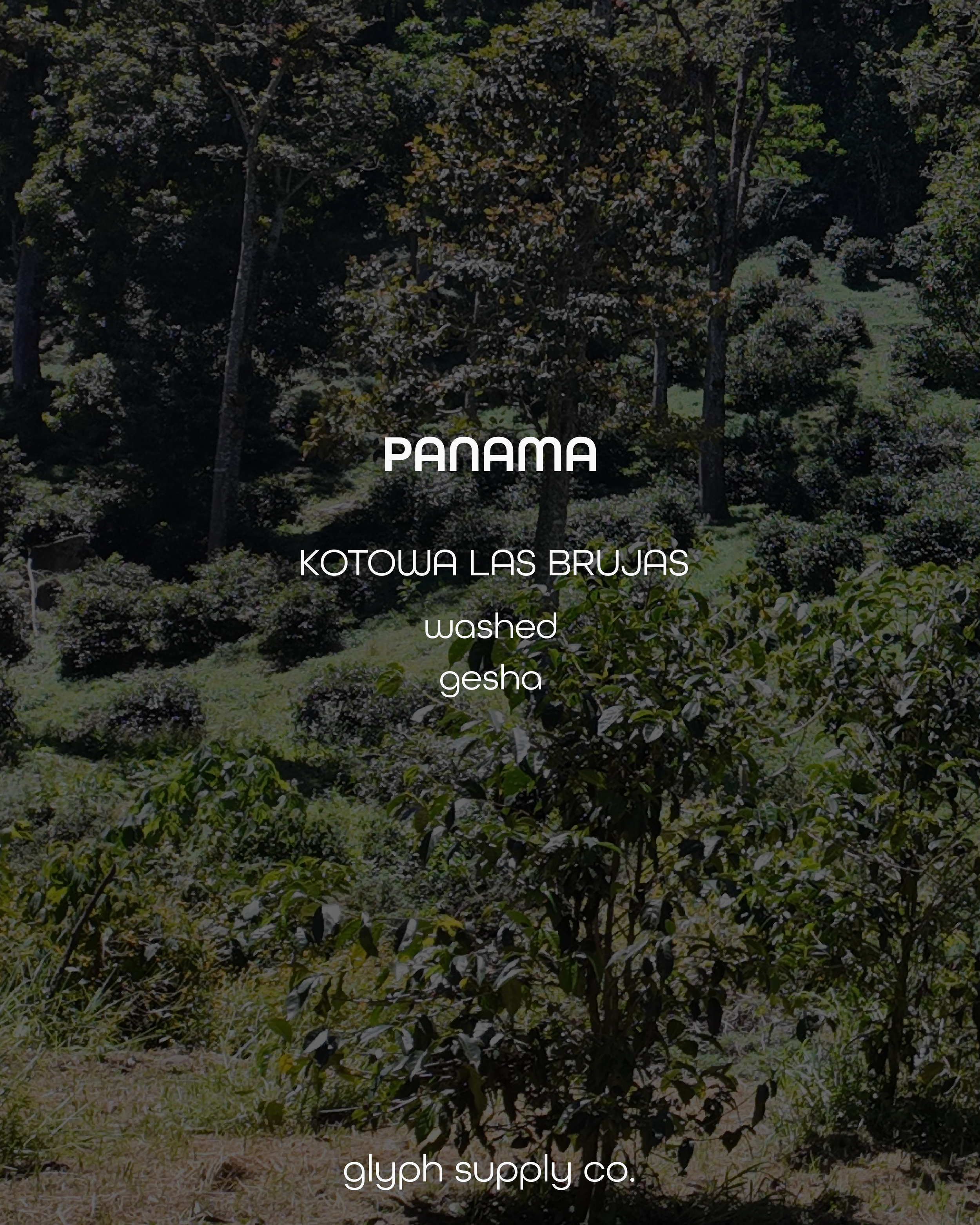 Image 2 of 2
Kotowa Coffee farms have been pioneers in the Panama coffee industry since 1913, when Alexander Duncan Macintyre from Canada settled and started a flourishing coffee growing business in the Boquete region of Panama. Kotowa was named after the indigenous word for “mountains”, a homage to mountainous regions that the coffee plantations thrive in.
Four generations later, Ricardo his daughter Victoria Koyner are leading the operations at Kotowa, with nine estates to manage, a growing portfolio of coffee shops serving the local communities, and even diversifying into cacao and tea. On our recent visit earlier this year, Victoria shared with us their new cupping lab with artefacts from the indigenous tribes that have resided alongside the Kotowa team for generations. The team is also working on constructing an experience bar, for guests to experience Kotowa coffees in an immersive and engaging way. Furthermore, Victoria leads the innovation team at Kotowa, using her background in horticulture and viticulture to constantly improve farming practices and coffee processing methods. With their years of experience and dedication for the craft, it is no wonder that coffees from Kotowa perform well in various settings, such as the Best of Panama (BOP) auctions each year and at national and world coffee competitions.
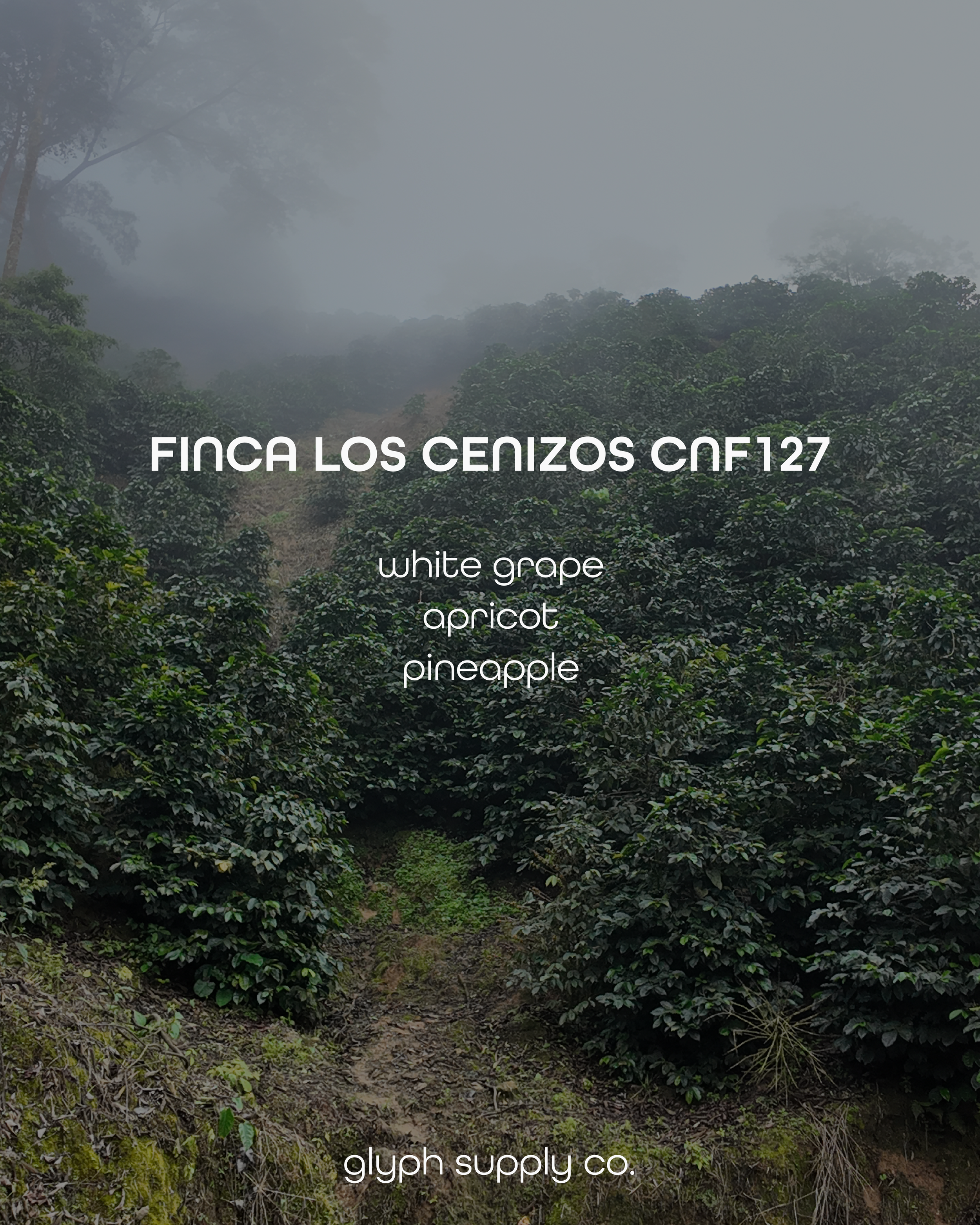
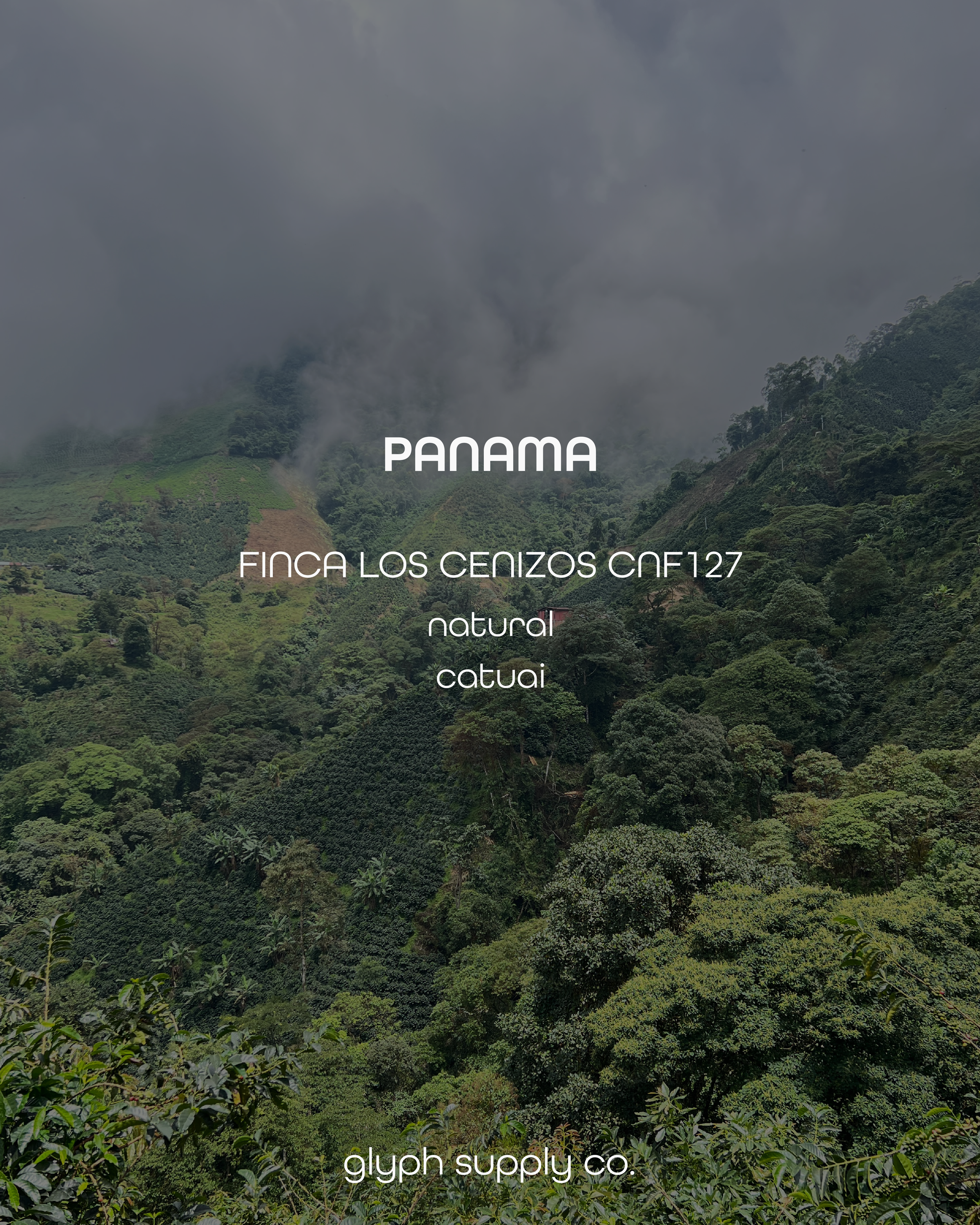
Las Brujas has grown to become Kotowa’s most renowned coffee farm, celebrated for its consistent excellence and multiple awards at the BOP. Located in the Potrerillos region of Chiriquí, the farm sits at a privileged elevation with sweeping views of the Pacific Ocean. During the rainy season, the landscape is often cloaked in a mysterious fog, giving the farm its name. One of the farm’s greatest strengths is its commitment to biodiversity. Out of its 80 hectares, 60 hectares are preserved as untouched native forest, creating a thriving habitat for wildlife and contributing to the farm’s rich microclimate. This natural balance enhances the quality of the coffee, allowing unique expressions of flavor to develop in the cup.
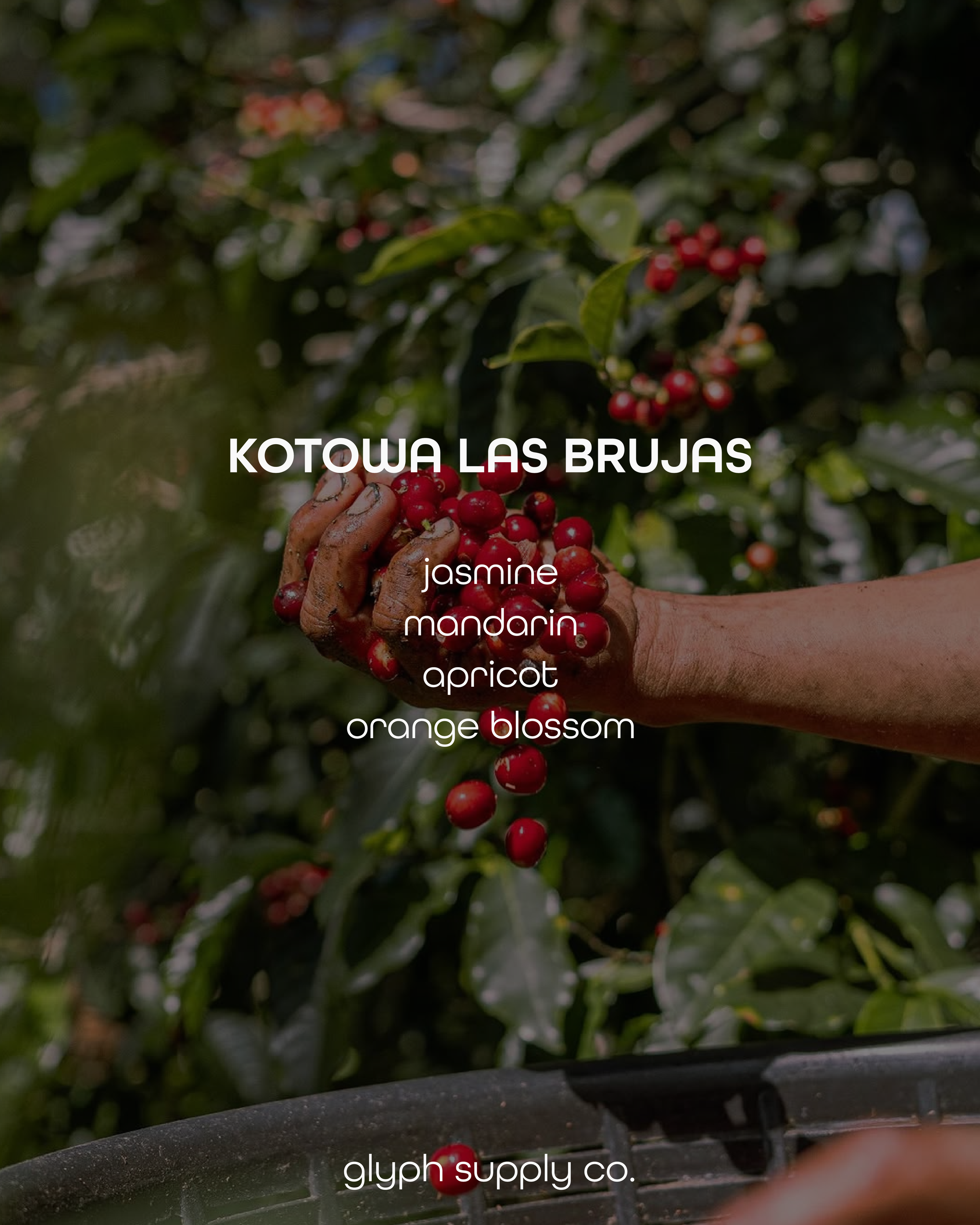
This gesha varietal underwent a traditional washed process with drying of over 12 days. This coffee is delicate and elegant, with florals like jasmine up front, soft fruit notes like mandarin and apricot and a long orange blossom finish.